


Table of Contents
- Personalized Jewelry vs Mass Produced: Key Differences at a Glance
- Quality Control and Craftsmanship Standards
- Benefits of Custom Jewelry for Meaningful Gifting
- Durability and Longevity: Which Lasts Longer
- Cost Analysis: Investment vs Affordability
- Custom Jewelry Appraisal Value and Resale Potential
- Maintenance, Repairability, and Long-Term Care
- Conclusion
Last Updated: August 11, 2026
Personalized Jewelry vs Mass Produced: Key Differences at a Glance
When you're shopping for jewelry that actually means something, you're weighing two fundamentally different approaches. Personalized jewelry vs mass produced items represent opposite ends of the craftsmanship spectrum, and the choice between them shapes not just what you wear, but what it represents.
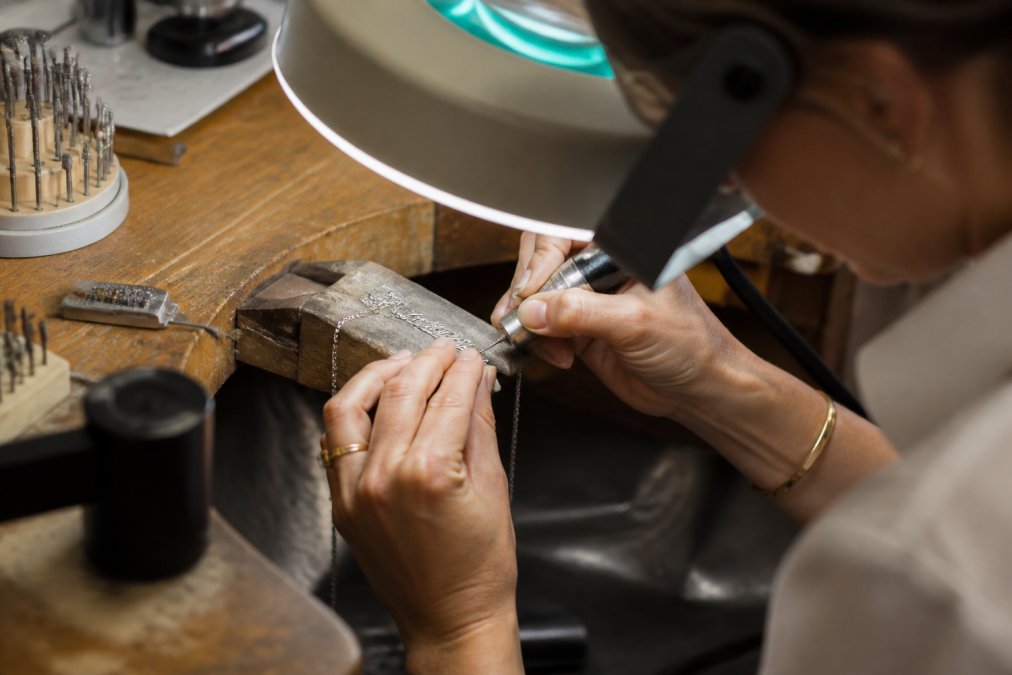
Mass-produced jewelry rolls off automated assembly lines by the thousands. Each piece is identical to the last, designed for broad appeal and quick profit. Personalized jewelry, by contrast, is created specifically for you or your recipient. Whether hand-finished or custom-ordered, these pieces carry intention. At Elvora Gifts, we've curated a selection of personalized keepsakes that prove custom doesn't always mean expensive, it means thoughtful.
The real tension here isn't about quality alone. It's about what you're actually buying: a generic accessory, or a story. A mass-produced ring might cost less upfront, but a personalized necklace with a loved one's name often becomes irreplaceable. The differences run deeper than aesthetics into durability, resale value, and the emotional weight of ownership.
Quality Control and Craftsmanship Standards
Mass-produced jewelry relies on standardized manufacturing processes where quality control means checking that pieces meet baseline specifications. Every item passes the same automated tests. The craftsmanship is consistent because machines don't vary, but that consistency comes with trade-offs in detail work and material selection.
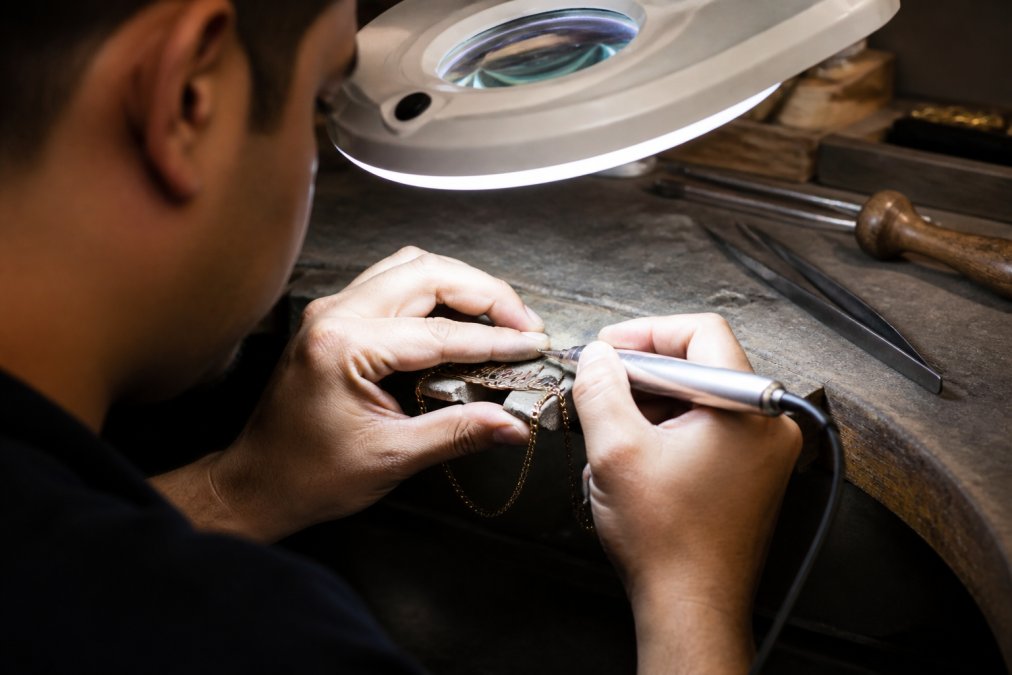
Personalized jewelry, especially pieces made to order, involves human oversight at critical stages. Artisans inspect engraving depth, verify stone settings, and hand-finish edges. This creates opportunities for superior quality, but also introduces variability. A skilled craftsperson can catch flaws a machine misses. An inexperienced one might let them through.
The distinction matters most with precious metals. Mass-produced gold jewelry often uses alloys optimized for production speed rather than durability. Custom pieces from reputable makers often prioritize material quality and lasting finishes.
Hallmarking, the official stamp certifying metal purity, appears on both types. But personalized jewelry makers often provide detailed documentation of materials, while mass-produced retailers may not. This transparency matters if you ever need repairs or resale.
Benefits of Custom Jewelry for Meaningful Gifting
The benefits of custom jewelry extend far beyond aesthetics. A personalized necklace or bracelet becomes a conversation starter, a memory anchor, and proof that someone invested thought into your gift.
For meaningful occasions, births, anniversaries, graduations, mass-produced items feel generic by definition. You're giving something anyone could have bought. Personalized jewelry signals that you chose this specifically for this person. That distinction transforms the gift from an object into a gesture.
Giftability is where personalized jewelry wins decisively. A name necklace, initials bracelet, or engraved pendant acknowledges the recipient's identity. It says, "I know who you are and I'm celebrating that." Research on gift-giving psychology shows that personalized gifts generate stronger emotional responses and longer retention rates than generic alternatives. Recipients are more likely to keep them, display them, and remember the giver fondly.
For corporate gifting, personalized items create stronger client relationships than mass-produced alternatives. A client receives dozens of generic branded merchandise annually. A custom bracelet or engraved piece? That's memorable. Elvora Gifts helps businesses source personalized keepsakes for employee recognition and client appreciation, with free shipping on orders over $70, a significant advantage for bulk gifting programs.
The personalization itself becomes part of the story. Years later, someone asks about your necklace, and you explain the meaning behind the name or symbol. Mass-produced jewelry rarely generates those conversations.
Durability and Longevity: Which Lasts Longer
This is where conventional wisdom often misleads. Personalized jewelry doesn't automatically last longer than mass-produced pieces. The material determines durability far more than the manufacturing method.
A solid gold personalized necklace outlasts a mass-produced gold-plated ring. A sterling silver custom bracelet beats a costume jewelry pendant. The metal itself, not the customization, drives longevity.
Mass-produced jewelry from established retailers like Zales uses durable materials for their core lines, 14K or 18K gold, sterling silver, genuine gemstones. But budget-tier mass-produced items often rely on plating or low-grade alloys that tarnish, flake, and deteriorate within months.
Personalized jewelry from makers often uses higher-grade materials because custom orders support higher price points. You're not competing on cost, so makers invest in materials that last.
The real durability advantage of personalized jewelry comes from maintenance and repairability. A custom jeweler knows exactly how your piece was made and can repair it accurately. Mass-produced items often require returning to the original retailer for repairs, which may no longer stock your specific model or may charge more than the piece is worth.
Engraving, a common personalization method, doesn't weaken jewelry. The engraved area is typically superficial, removing only surface material. Properly executed engraving actually protects against theft, personalized items are harder to resell and less attractive to thieves.
Cost Analysis: Investment vs Affordability
Here's where personalized jewelry vs mass produced items create the clearest trade-off. Mass-produced jewelry wins on immediate cost. Zales offers rings under $100. Personalized necklaces from custom makers can start around $40-$120 and up depending on materials and complexity.
But the cost conversation changes when you factor in replacement, repairs, and resale value. A $30 mass-produced bracelet that breaks in a year costs you $30 per year of ownership. A $80 personalized bracelet that lasts five years and requires one $20 repair costs you roughly $20 per year.
For corporate gifting, the math shifts further. Bulk orders of mass-produced items might cost $10-15 per piece. But recipients often discard them. A personalized gift at $40-60 per piece, with free shipping on orders over $70, builds stronger client relationships and generates higher perceived value than generic merchandise at half the price.
Elvora Gifts positions itself in the premium segment, not luxury, but quality-focused. The free shipping threshold on orders over $70 makes bulk personalized gifting affordable for businesses buying in volume. A corporate order of 20 personalized necklaces at $54.95 each (like the Classic Vertical Name Necklace) totals just over $1,100 with free shipping, roughly $55 per gift, which competes favorably with mass-produced alternatives when you account for the relationship-building value.
| Factor | Mass-Produced | Personalized | Winner |
|---|---|---|---|
| Starting Price | $20-$100 | $40-$120 | Mass-Produced |
| Cost Per Year (5-year ownership) | $30-$60 | $16-$30 | Personalized |
| Repair Costs | Often not worth repairing | Economical repairs available | Personalized |
| Resale/Sentimental Value | Minimal | Moderate to High | Personalized |
| Bulk Gifting (20+ items) | $200-$300 | $800-$1,200 | Mass-Produced (upfront) |
The hidden cost of mass-produced jewelry is replacement frequency. Personalized pieces you actually wear and treasure require fewer replacements over a lifetime.
Custom Jewelry Appraisal Value and Resale Potential
The custom jewelry appraisal value of personalized pieces depends heavily on materials, craftsmanship, and market demand. A personalized gold necklace has intrinsic metal value. A mass-produced gold ring has the same intrinsic value per gram. The difference lies in resale.
A mass-produced ring from Zales resells for 30-50% of retail value on secondary markets. The piece is generic, easily replaced, and carries no unique story. A personalized necklace with a specific name or date resells for 20-40% of original price, lower percentage, but often higher absolute value because custom pieces command higher initial prices.
The resale market for personalized jewelry is niche. You're selling to someone who either wants that specific personalization or values the materials enough to overlook it. This limits buyer pools compared to mass-produced items, which anyone can wear.
However, the sentimental value of personalized jewelry often exceeds resale value entirely. Families keep personalized pieces for generations. A necklace with a child's name becomes a keepsake, not an asset to liquidate. This is where personalized jewelry wins: it's not meant to be resold. It's meant to be kept, inherited, and treasured.
For investment purposes, buying jewelry expecting to resell it later, mass-produced items from established brands hold value better. For emotional and family legacy purposes, personalized pieces appreciate in meaning if not in market price.
Appraisal for insurance purposes treats personalized and mass-produced jewelry similarly if materials are comparable. A jeweler appraises based on metal weight, stone quality, and craftsmanship, not sentimentality. But appraisers often note personalization, which can slightly increase insurable value if the work is intricate or adds weight.
Maintenance, Repairability, and Long-Term Care
Personalized jewelry requires the same basic maintenance as mass-produced pieces: regular cleaning, occasional professional polishing, and careful storage. But repairability differs significantly.
Mass-produced jewelry from large retailers like Zales typically comes with warranty coverage for manufacturing defects. Repairs are handled through the retailer's service center. If your piece breaks after the warranty expires, you're often better off replacing it than repairing it, the repair cost approaches or exceeds the original price.
Personalized jewelry from custom makers often includes guarantees. If an engraving fades or a stone setting loosens, the maker can repair it accurately because they have the original specifications. This creates a long-term relationship where the maker is invested in your piece's longevity.
The repairability advantage compounds over decades. A personalized necklace you've worn for 20 years can be professionally restored to like-new condition by the original maker or any skilled jeweler. A mass-produced piece from a discontinued product line may be impossible to match or repair properly because the maker no longer stocks components.
Engraving maintenance is minimal. Engraved text doesn't fade or wear unless you're actively scratching the surface. Birthstones and gemstones require the same care regardless of personalization, avoid extreme temperature changes, remove before swimming or showering if the stone is porous, and have settings checked annually by a professional.
The real maintenance advantage of personalized jewelry is psychological. You're more likely to care for something that carries your name or a loved one's story. You'll have it cleaned professionally, store it properly, and address repairs promptly. Mass-produced items often languish in drawers because they lack that emotional anchor.
Choosing between personalized jewelry and mass-produced items isn't really about price or quality alone. It's about intention. Mass-produced jewelry serves a purpose: it's affordable, immediately available, and requires no decision-making beyond style preference. Personalized jewelry demands thought. You're choosing materials, customization details, and investing in something specific to someone.
For gifts that matter, birthdays, anniversaries, milestones, personalized jewelry wins. For everyday wear where you want variety without commitment, mass-produced options make sense. The real opportunity lies in recognizing that these aren't competitors. They're tools for different situations.
At Elvora Gifts, we believe meaningful gifts deserve thoughtful curation. Our personalized necklaces and keepsakes help you create connections that matter. With free shipping on orders over $70, sourcing premium personalized jewelry for yourself or your business becomes accessible. Shop Now and discover the difference intention makes.
Frequently Asked Questions
Is custom made jewelry worth the higher price point?
Custom jewelry typically costs more upfront, but the investment often pays off through durability and emotional value. Handmade pieces are built to last decades with proper care, whereas mass-produced items may need replacement within 3-5 years. For gifts, the personalization adds sentimental worth that mass-market alternatives cannot match. A personalized name necklace from Elvora Gifts, for example, becomes a keepsake rather than a disposable accessory.
What are the primary differences in durability between handmade and mass-produced jewelry?
Handmade jewelry uses superior hand-finishing techniques and often employs precious metals with higher purity standards. Mass-produced items rely on automated manufacturing, which can create microscopic weaknesses in joints and clasps. Custom pieces are inspected individually, while mass-produced jewelry undergoes batch quality control. Handcrafted jewelry typically withstands daily wear for 20+ years, while mass-produced alternatives often show wear within 2-3 years of regular use.
How does the resale value of personalized jewelry compare to mass-produced items?
Personalized jewelry generally retains 40-60% of its original value at resale, while mass-produced pieces typically retain only 20-30%. Custom pieces hold value because they represent artisanal craftsmanship and unique design. However, highly personalized items with names or initials may appeal to fewer buyers. Investment-grade custom jewelry made with precious metals and gemstones appreciates more reliably than fashion jewelry, making it a stronger long-term financial choice.
Can you tell if a piece of jewelry is mass-produced or handcrafted?
Yes. Handcrafted jewelry shows slight variations in symmetry, hand-finished surfaces, and unique hallmarking. Mass-produced pieces are perfectly uniform, with identical seams and polishing patterns. Examine the clasp, prongs, and engraving closely, handmade work has subtle character, while machine work is flawless but identical across batches. Custom pieces often include maker's marks or certificates of authenticity that mass-produced items lack.
What materials are typically used in mass-produced jewelry versus custom pieces?
Mass-produced jewelry often uses alloys, plated metals, and synthetic stones to reduce costs and speed production. Custom jewelry prioritizes precious metals like 14K or 18K gold, sterling silver, and genuine gemstones or birthstones. Handmade pieces allow for ethical sourcing and recycled metals, offering transparency about material origins. Mass-market retailers like major chains use lower-grade materials to maintain competitive pricing, while bespoke makers invest in quality metals that withstand decades of wear.
This article was written using GrandRanker


