


Table of Contents
- Why Creative Holiday Gifting for Business Partners Matters
- Corporate Holiday Gift Ideas That Strengthen Relationships
- Personalized Business Gifts That Feel Thoughtful, Not Transactional
- Budget-Friendly Corporate Gifts That Still Impress
- Corporate Gift Etiquette: What to Give, Avoid, and When to Send
- How to Choose Gifts by Relationship and Recipient Type
- Sustainable and Low-Waste Business Partner Gifts
- Conclusion: Making Your Business Partner Gifting Strategy Count
- Frequently Asked Questions
Last Updated: October 11, 2026
Why Creative Holiday Gifting for Business Partners Matters
A thoughtful gift can turn a routine business relationship into a lasting one. Creative holiday gift ideas for business partners work because they signal that you see the person, not just the account.
The stakes are higher than most people assume.
This guide covers gift ideas by category, budget, and relationship type, plus the etiquette and inclusivity rules most roundups skip.
Corporate Holiday Gift Ideas That Strengthen Relationships
The best corporate holiday gift ideas for business partners match the recipient's interests, not your logo. Relationship-building gifts fall into a few reliable categories: experiences, food and drink, personalized keepsakes, and practical premium items. The category matters less than the fit.
Experiential Gifts: Concerts, Wine Tasting, and Adventure Packages
Experiential gifts give your partner a memory instead of an object.
A common mistake is choosing an experience for yourself rather than the recipient. A golf outing is great for a golfer and awkward for someone who has never held a club.
For remote partners, a virtual class or a curated tasting kit shipped to their door keeps the gesture personal without requiring travel.
Food and Drink Gifts: Gourmet Treats, Coffee, and Wine
Food and drink gifts are the safest high-impact option in corporate gifting.
Two rules keep these gifts working in your favor. First, confirm dietary restrictions and alcohol policies before you order. Second, skip the giant novelty basket.
Locally sourced and handcrafted food gifts carry extra weight, suggesting you thought about where the gift came from, not just how fast it could ship.
Personalized Business Gifts That Feel Thoughtful, Not Transactional
Personalized business gifts succeed when the personalization serves the recipient, not your brand.
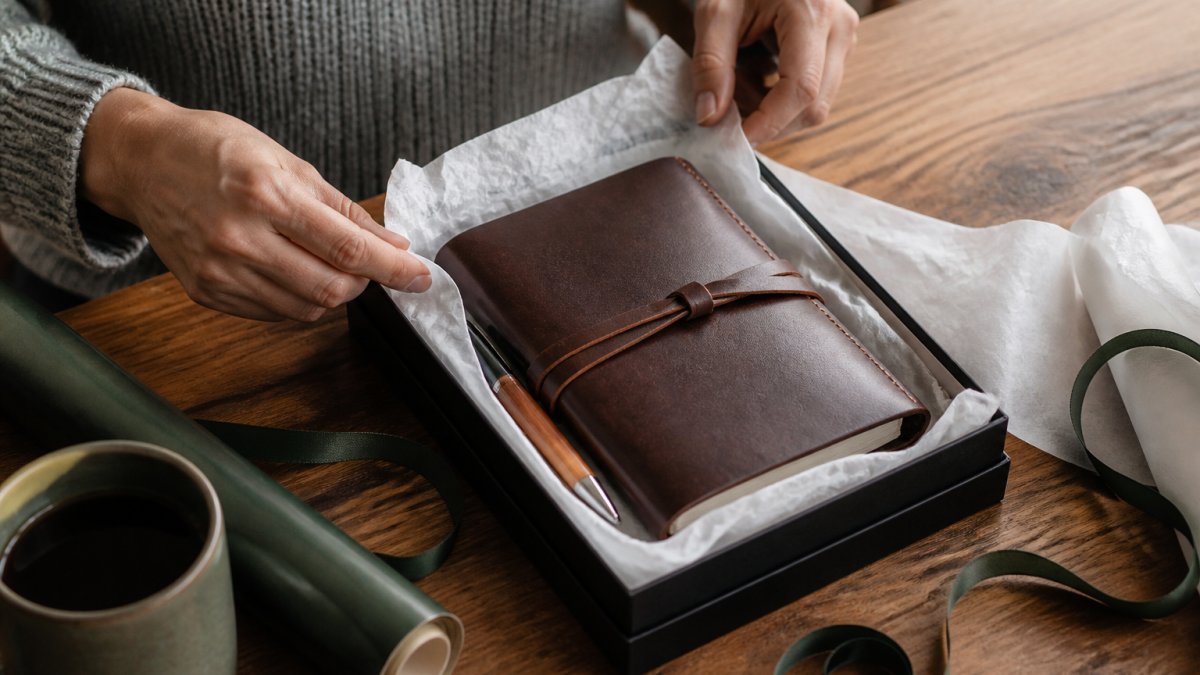
The best personalized gifts share one trait: they would still make sense if you removed your company name entirely.
Personalization Without Over-Branding
Over-branding is the most common mistake in corporate gifting. When a gift doubles as a billboard, the recipient feels marketed to rather than appreciated. A subtle mark on the underside of a box, or none at all, usually outperforms a prominent logo.
- Keep: the recipient's name, initials, or a meaningful date
- Limit: a small, tasteful brand mark in a low-visibility spot
- Drop: slogans, oversized logos, and anything that turns the gift into signage
A personalized keepsake should look like something the recipient would have chosen. That standard separates a gift from a giveaway.
Budget-Friendly Corporate Gifts That Still Impress
You do not need a large budget to give a memorable gift. Budget-friendly corporate gifts work when the thought is specific, not when the price is high.
Focus your budget on one strong item rather than several weak ones. A single premium candle, a quality journal, or a small gourmet set feels more considered than a box of assorted trinkets.
For larger lists, tier your spend by relationship. Long-standing partners and top clients can receive a more substantial gift, while a broader contact list gets something smaller but still thoughtful.
Corporate Gift Etiquette: What to Give, Avoid, and When to Send
Corporate gift etiquette comes down to three questions: is it appropriate, is it inclusive, and is it timely? Get those right and most gifting decisions resolve themselves. Get them wrong and even an expensive gift can create awkwardness.
Check the Recipient's Policy Before You Buy
Most large organizations publish a gift policy, and many procurement and compliance departments enforce it. Common thresholds:
- Nominal-value caps. Many corporate policies set a per-recipient limit, often in the $25 to $100 range, above which a gift must be reported or declined. Public-sector and government-adjacent contacts frequently face the strictest caps.
- No-gift policies. Some organizations, particularly in healthcare, financial services, and defense contracting, prohibit gifts from vendors entirely. Sending one anyway forces the recipient to return it or disclose it.
- Reporting requirements. Even where gifts are allowed, recipients may need to log the value, sender, and date. A gift that creates paperwork is not a gift.
A practical first step: ask your main contact whether their organization has a gift policy, or check the company's public code of conduct page. If you cannot confirm, default to a low-value consumable or a charitable donation in the recipient's name.
Industry and Sector Differences
Gift norms vary sharply by sector. A few patterns:
- Financial services and legal. Gift limits are typically tight and disclosure is common. Food and modest desk items tend to clear; cash equivalents, gift cards above nominal value, and event tickets often do not.
- Healthcare and pharma. Federal and state rules restrict gifts to physicians and staff. Non-cash, low-value educational or food items are the usual safe zone.
- Government and public sector. Ethics rules at the federal, state, and local level frequently bar gifts outright or require public disclosure. When in doubt, do not send.
Timing and Delivery Logistics
Timing matters as much as the gift. Aim for delivery in the first two weeks of December, before recipients leave for the season; a gift that shows up in January loses most of its impact.
Confirm delivery addresses rather than guessing, corporate mailrooms reject or delay packages with incomplete suite numbers, and remote recipients may have moved. For international partners, plan ahead:
- Customs and duties. Cross-border shipments may trigger customs fees the recipient has to pay. Check whether your carrier bills duties to sender or recipient, and consider a locally sourced gift instead.
- Shipping restrictions. Alcohol, perishable food, and some plant materials cannot cross certain borders. Verify before you order.
- Regional holidays. Not every partner observes the same December holidays. A neutral "thank you for a great year" note travels further than a Christmas-specific card.
Inclusive Gifting for Diverse Recipients
Inclusive gifting means choosing options that work across different backgrounds, beliefs, and circumstances. Not everyone celebrates the same holidays, drinks alcohol, or eats the same foods. A little flexibility prevents a well-meaning gift from missing the mark.
Practical ways to stay inclusive:
- Offer a choice between two or three options so recipients can pick what suits them
- Keep alcohol-free alternatives on hand for any wine or spirits gift
- Avoid religious symbols unless you know the recipient's preferences
When in doubt, a neutral, high-quality item such as a cozy blanket, a premium tumbler, or a personalized keepsake travels well across nearly any recipient.
How to Choose Gifts by Relationship and Recipient Type
Matching the gift to the relationship is the fastest way to get gifting right. A new client, a decade-long partner, and an internal colleague all warrant different gestures. The framework below maps recipient type to an approach, a rough spend tier, and the mistakes to avoid.
A Three-Tier Decision Framework
Start by sorting every recipient into one of three tiers. The tier sets your budget, personalization level, and time investment.
Tier 1, Strategic partners and long-standing clients. These are the relationships that drive revenue. An experiential gift or a premium personalized item fits here.
Tier 2, Active clients and regular contacts. Consistent, thoughtful, and scalable. A curated food or wellness gift, or a quality desk item, works well.
Tier 3, Broad contact list, prospects, and acquaintances. Keep it small, neutral, and easy to ship.
Recipient-by-Recipient Guide
| Recipient Type | Gift Direction | Spend Tier | What to Avoid |
|---|---|---|---|
| New client | Small welcome keepsake, gourmet treat | Tier 2 | Anything too expensive or personal |
| Long-term partner | Personalized or experiential gift | Tier 1 | Generic, unbranded filler |
| Executive contact | Premium, understated item | Tier 1 | Novelty or logo-heavy items |
| Remote partner | Shipped experience or curated box | Tier 2 | Gifts requiring in-person use |
| Team or staff | Shared food or wellness gift | Tier 3 | Individual gifts that create comparison |
| International partner | Locally sourced gift, digital experience | Tier 2 | Anything requiring customs clearance |
How to Read the Recipient
Relationship depth is only half the equation. The other half is fit. Before you buy, gather three signals:
- What they have told you. A passing comment about a hobby, a favorite coffee, or a city they love is the best gift brief you will ever get.
- What their role suggests. A busy executive values time-saving or understated items; a creative contact may appreciate something more expressive.
- What their public profile shows. A LinkedIn post about a recent trip or a charity they support can guide a charitable or experiential gift.
If you cannot find a signal, default to a high-quality consumable. It is the safest gift that still feels considered.
Setting Budget and Tone by Tier
Relationship type also sets your budget and tone. A close partner earns a personal note and a more considered gift; a broad contact list calls for something consistent, scalable, and easy to ship.
A common pattern is to allocate roughly 60% of your gifting budget to Tier 1, 30% to Tier 2, and 10% to Tier 3. That split keeps your most important relationships well-served without overspending on contacts who may not expect anything at all.
Sustainable and Low-Waste Business Partner Gifts
Sustainable gifting is now a genuine differentiator, not a nicety. Low-waste gifts show that you thought about the recipient's values as well as your own. That consideration reads as respect.
Start with consumables and durable goods. Food and drink gifts disappear without leaving waste behind, while a quality blanket, a well-made journal, or a piece of jewelry gets used for years.
Packaging is where most gifting programs quietly fail. Recyclable or reusable boxes, minimal plastic, and digital cards instead of paper inserts all cut waste without cutting the gesture.
Conclusion: Making Your Business Partner Gifting Strategy Count
The hardest part of corporate gifting is not finding a gift. It is choosing one that feels personal at scale, on time, and within policy. That is where a curated approach beats a rushed one every season.
At Elvora Gifts, we help businesses and individuals mark those relationships with premium jewelry, cozy blankets, and personalized keepsakes, all backed by free shipping on orders over $70. Our specialized collections make it simpler to find a thoughtful token for a client, a partner, or a team member without sacrificing quality.
Get started with Elvora Gifts and turn a routine holiday gesture into a relationship your partners remember.
Frequently Asked Questions
What are some good Christmas gifts for business partners?
Good Christmas gifts for business partners balance thoughtfulness with professionalism. Consider personalized business gifts like engraved journals, custom desk accessories, or monogrammed blankets. Food and drink gifts such as gourmet chocolate, artisan coffee, or wine also work well. Experiential gifts like concert tickets, spa days, or wine tasting tours create memorable shared experiences. For a more curated approach, gift boxes and gift baskets that combine several small premium items make a strong impression without feeling excessive.
How much should you spend on a holiday gift for a business partner?
Spending depends on the relationship and your company's gift policy. Many businesses set a per-recipient cap to stay compliant with corporate gift etiquette and IRS rules. For close business partners, a thoughtful gift in the mid-range often feels appropriate. For newer or more formal relationships, a modest but high-quality item works better than an expensive one that could feel like an obligation. Focus on personalization and presentation rather than price tag.
Are personalized gifts appropriate for business partners?
Yes, personalized business gifts are generally appropriate and often appreciated. Engraved items, monogrammed keepsakes, or custom stationery show you put thought into the relationship. The key is to keep personalization tasteful. Avoid overly intimate messages or items that could embarrass the recipient in a professional setting. A name, initials, or company milestone works well. Also consider whether the recipient's culture or company has policies about accepting personalized gifts.
What should you avoid giving a business partner for the holidays?
Avoid gifts that could be seen as bribes, such as cash, gift cards with high values, or anything that violates the recipient's company gift policy. Steer clear of alcohol unless you know the recipient drinks, and avoid religious or political items. Overly personal gifts like clothing or perfume can feel inappropriate. Also skip gag gifts or anything that could be misread. When in doubt, choose a tasteful, inclusive option like a gourmet food basket or a premium desk accessory.


